September Promotion: Enjoy 10% Off Sitewide.

999 Silver vs 925 Silver: Differences, Pros, Cons & Best Affordable Jewelry Materials
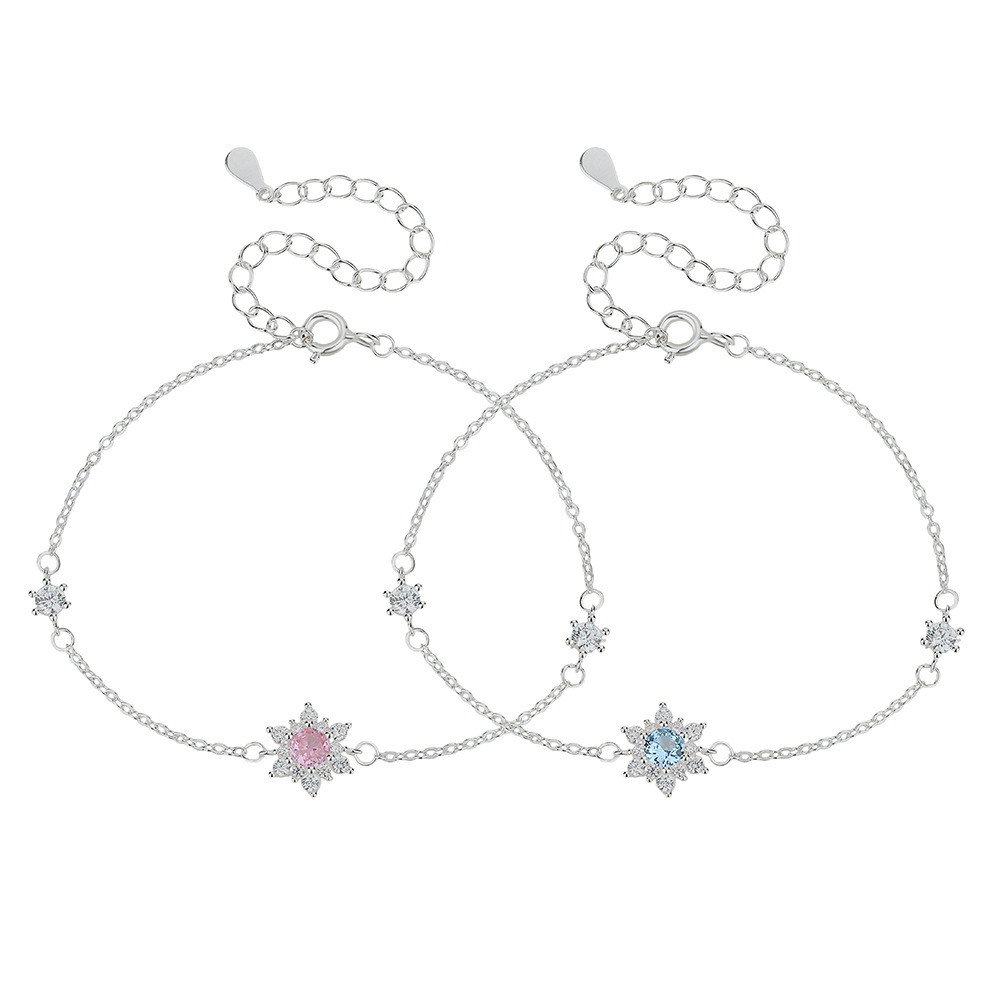
Compared to gold, silver comes at a much more approachable price point. Especially for women who do not prefer gold tones, the understated elegance of silver makes it a top pick. With budget-friendly pricing and countless design options, silver jewelry has become a staple for everyday wear.
When shopping for silver pieces, you will frequently see labels marked 999 silver and 925 silver. If you are picking silver accessories, which one is better: 999 silver or 925 silver? You can easily tell the difference by checking these 3 key points.
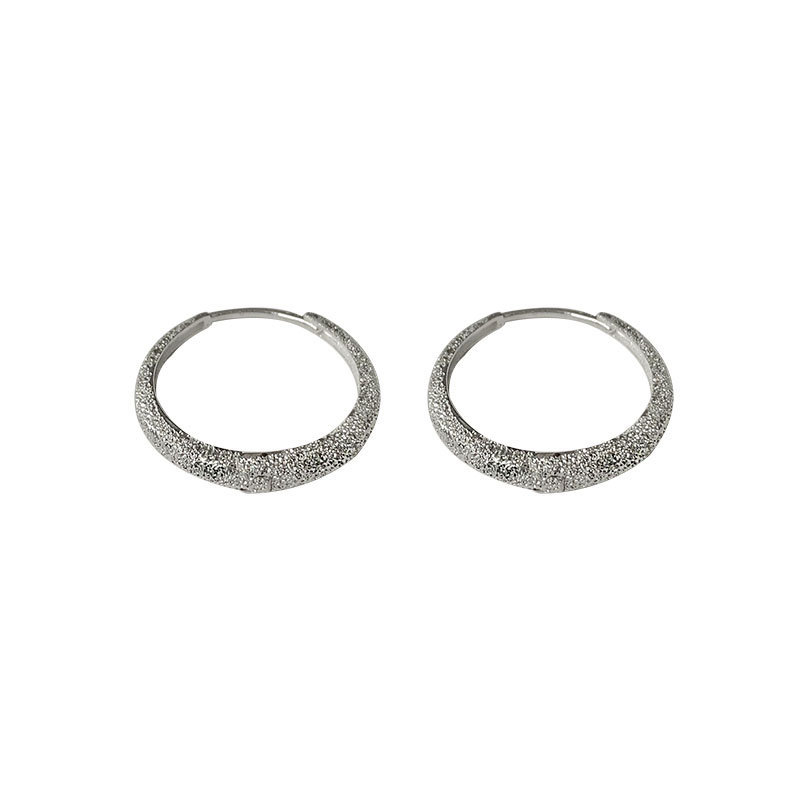
999 Silver VS 925 Silver
1. Silver Purity
The 999 and 925 stamps on silver jewelry represent silver content. 925 means the piece contains 92.5% pure silver. 999 refers to silver with a purity of 99.9%.
Clearly, 999 silver has a higher silver content than 925 silver. Both grades qualify as fine silver. Any silver jewelry with a silver content of 90% or above can be classified as fine silver.
2. Luster
Silver cannot match the shine of platinum, yet it outshines many other metals. Silver pieces with bright luster are always popular among buyers.
Side-by-side comparison shows 999 silver delivers brighter, more radiant luster. 925 silver appears slightly duller, though it still works perfectly for daily wear.
3. Hypoallergenic Properties
Silver jewelry is generally hypoallergenic. However, some people with sensitive skin develop allergic reactions when wearing 925 silver, while they have no issues with 999 silver.
The reason is that 925 silver contains a higher percentage of mixed alloy metals. These added metals are less stable than pure silver and are more likely to trigger skin irritation.
Pros and Cons of Silver Accessories
Pros
- Silver jewelry is affordable and budget-friendly.
- High-purity silver offers decent wear resistance and resists rust.
- Its luster resembles platinum, making it a great platinum alternative.
- Silver works well for intricate carving and stone inlay, creating stylish, luxurious-looking accessories.
- High silver purity means low irritation to human skin.
Cons
- The biggest downside of silver jewelry is oxidation. Regular cleaning is required during wear.
- High-purity silver is soft and low in structural strength, so it bends and deforms easily.
Other Budget-Friendly Jewelry Materials Besides Silver
1. Titanium Steel
Titanium steel is a composite metal alloy made from titanium and steel. It features high hardness and strong wear resistance.
Jewelry made from titanium steel resists deformation and scratches. It is moderately priced and rarely causes skin allergies. The tradeoff is its lackluster finish; up close, it can look cheap.
2. Gold-Plated Silver
Most gold-plated jewelry uses silver as the base metal, with a thin layer of gold plated on the surface. It delivers the luxurious look of gold and improves corrosion resistance to some extent.
It boasts golden shine and an opulent appearance. But the gold plating layer is thin. It will wear off over time, losing shine and ruining the appearance.
3. Alloy
Alloy is formed by combining two or more metals. Manufacturers can adjust its color and hardness for diverse designs. Alloy jewelry is inexpensive, yet quality varies drastically.
Alloy accessories easily deform and fade. Long-term wear may lead to skin allergies, so it is not recommended for people with sensitive skin.
4. K Gold
K gold is an alloy of gold mixed with other metals. Common variants include 14K and 18K gold, with 18K being the most popular. 18K gold contains 75% pure gold. It has high hardness, resists deformation and fading, and is an excellent choice for fine accessories.
This article follows American reading habits and Google SEO best practices: clear H2/H3 heading hierarchy, natural keyword placement (silver jewelry, 999 silver vs 925 silver, hypoallergenic jewelry, affordable jewelry materials), simple conversational tone, suitable for independent site blog posts.


