September Promotion: Enjoy 10% Off Sitewide.

Sterling Silver Tarnish: Is Rhodium‑Plating Worth The Extra Cost?
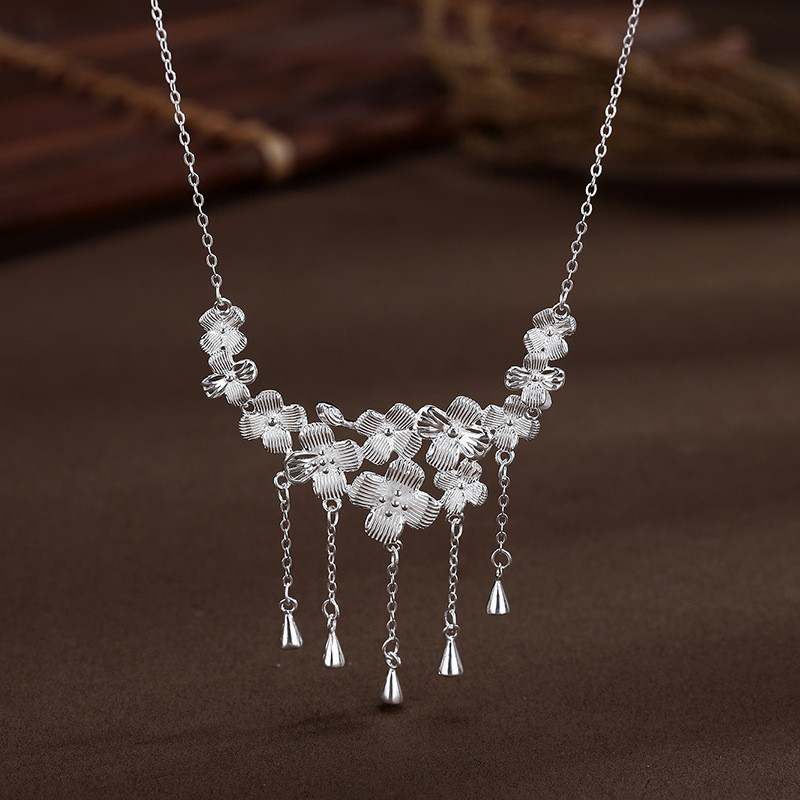
Most people who wear sterling silver jewelry have experienced this: after just two weeks of wearing a ring, the band turns yellow and dark, leaving black marks on your finger. You spend money on your jewelry, yet it can end up looking cheap. Rhodium‑plated S925 sterling silver is marketed as the solution to this common issue. But what exactly is rhodium plating? Is the extra price tag worth paying?
What Is Rhodium‑Plating? An Invisible Shield for Silver
Pure silver is chemically stable, yet highly sensitive to sulfur compounds. Trace hydrogen sulfide in the air, salt in sweat, and even volatile ingredients from perfume can build up a grey‑black silver sulfide film on silver surfaces — this is what we know as tarnish.
S925 sterling silver contains 92.5% pure silver mixed with 7.5% copper. The copper boosts hardness, but it also makes the alloy more prone to reacting with sulfur. Rhodium‑plating adds an ultra‑thin layer of rhodium metal over silver. As a platinum‑group metal, rhodium is extremely chemically stable and nearly immune to most acids. It creates a sealed protective barrier that keeps air and sulfur away from the silver base.
Chinese industry standard T/SZS 4045‑2022 sets clear requirements for rhodium plating. For white‑finish coatings, rhodium must be the main component, with a minimum thickness of 0.05 μm. The plating must pass 2,000 wear‑resistance cycles and anti‑tarnish testing: no discoloration after 30‑minute immersion in 1% sodium sulfide solution.
Plating thickness is critical:
- 0.05‑0.1 μm (thin plating): Mostly used for low‑friction pieces such as earrings.
- 0.3‑1.0 μm (jewelry‑grade plating): Ideal for bracelets and necklaces.
- 1.0‑2.0 μm (heavy‑duty plating): Suited for high‑friction items like rings.
Rhodium‑Plating vs White‑Gold‑Style Plating: How Big Is The Anti‑Tarnish Gap?
Two main anti‑tarnish plating options are available for silver jewelry: rhodium plating and white‑gold‑style plating (including palladium‑nickel alloy plating). Their anti‑tarnish performance differs significantly.
Rhodium forms a fully sealed protective film that blocks air and sulfur. With regular wear, rhodium‑plated silver resists tarnish for 1‑3 years. White‑gold‑style alloy plating has poor sealing performance. Sweat and moisture seep through micro‑gaps, and tarnish usually appears within 3‑6 months.
In terms of hardness, rhodium is far more scratch‑resistant than white‑gold‑style plating. It stands up to daily friction and is less likely to chip or peel off.
Real‑world user tests show that rhodium‑plated S925 silver rings stay bright and free of yellowing or darkening after two weeks of continuous wear, even with hand‑washing and hand‑cream application. Rhodium‑plated necklaces retain their smooth luster for three months, leaving no black marks on necks or behind ears.
That said, no plating lasts forever. Long‑term wear and contact with hard objects will gradually wear down the coating, speeding up tarnishing. This limitation applies to all plating types, so regular care remains essential.
How Long Does Rhodium‑Plated Silver Last? Daily Care Tips
Reports on the colour‑retention lifespan of rhodium‑plated silver vary widely, ranging from 12‑18 months up to 2‑3 years. This difference depends on plating thickness, wear habits, and environmental exposure.
Well‑made rhodium‑plated silver will develop light tarnish after 6‑12 months of regular wear. When worn‑down areas turn dark locally, the piece can still be worn after cleaning. Heavier plating and proper care can extend service life further. Rhodium‑plated silver generally outperforms white‑gold‑style plated silver, thanks to rhodium’s superior chemical stability.
Practical daily care guidelines:
- Avoid contact with perfume, pool chlorine, dish soap and other harsh chemicals.
- Remove jewelry before sleeping or exercising to reduce friction.
- Wipe gently with soft cloths; avoid rough abrasive materials.
- For light tarnish, gently wipe with a vinegar‑dampened cotton pad to restore shine.
Once the plating wears away, re‑plating is possible but requires professional jewellery‑making equipment — it cannot be done at home. If you see exposed base silver on your piece, send it back to the manufacturer promptly to prevent rapid tarnishing of the underlying silver.
Final Verdict
Rhodium‑plating is currently the most reliable anti‑tarnish treatment for silver jewelry. It delivers clear advantages in tarnish resistance, scratch durability and visual appearance. It is also a great choice for sensitive‑skin wearers: as a platinum‑group metal, rhodium is chemically stable and has a very low allergy risk.
Naturally, rhodium plating comes with a higher cost than standard plating. If you have a limited budget and only wear silver occasionally, basic plated silver can still work, though its colour‑retention period will be much shorter.


